How to Report and Correct Your Social Security Earnings Record


Ensuring your reported earnings are accurate helps to maximize your Social Security benefits. Learn how to check and correct errors.

Federal employee retirement news: news about retirement-related topics as it pertains to employees of the federal government. Topics include FERS, CSRS, the latest TSP performance, annual COLA updates, and more.
Ensuring your reported earnings are accurate helps to maximize your Social Security benefits. Learn how to check and correct errors.

Attending a retirement seminar during the accumulation phase of your assets is a proactive way to help prepare you for retirement.
Do you understand the basic components and guidelines of proper estate planning?
Should FERS retirees buy back their military service time? These are some condsiderations.
How will you spend your time in retirement? These are some unhealthy habits to avoid that can lead to unhappiness in your golden years.
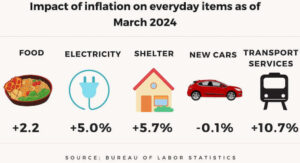
The March CPI report shows continuing inflation so far in 2024. This may mean a higher 2025 COLA but a negative economic impact on all consumers.

Federal employees and retirees may be wise to consider Roth conversions before 2026 to help lower their future tax burdens.
The OPM retirement backlog fell to its lowest level since last fall at the end of March 2024.

When you need information on Social Security benefits, it’s always best to go straight to the source.
Can a federal employee retire with $500,000 saved in the TSP? Here are some considerations.