live_tv
Livestream Starting Soon
00
Hours
:
00
Minutes
:
00
Seconds
Up next in 10


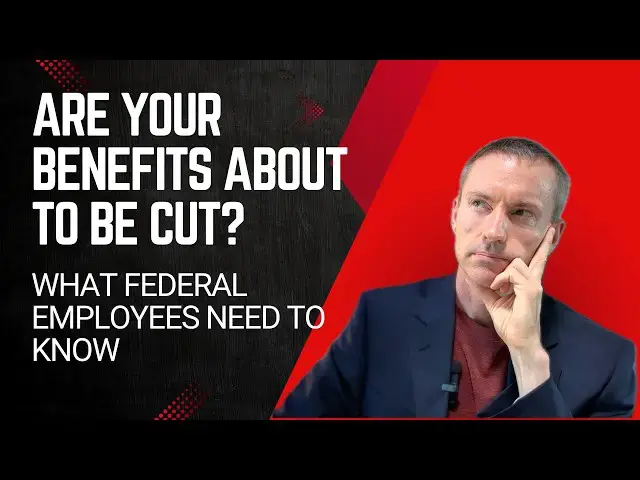
Discover the potential impact of new legislation on federal employees in our latest video. The House Committee on Oversight and Government Reform has advanced a bill proposing significant cuts to federal employee benefits. We break down the specific proposed cuts, explain what they could mean for federal workers, and clarify common misconceptions about the legislation as it progresses through the legislative process. Stay informed about how these changes could affect you and your future.
Related Video: https://youtu.be/FD7XUf6J9N8
Related Articles
House Oversight Committee Advances Benefits Cuts Package
https://www.fedsmith.com/2025/04/30/house-oversight-committee-advances-benefits-cuts-package/
Benefits Cuts on the Table in House Budget Legislation
https://www.fedsmith.com/2025/04/28/benefits-cuts-on-table-in-house-budget-legislation/
Possible Changes for Federal Employees in 2025 Federal Budget
https://www.fedsmith.com/2025/04/21/possible-changes-for-federal-employees-in-2025-budget/
Chapters
0:00 Introduction
0:45 Details About Legislation Status
1:11 What is a Mark-Up Session?
Show More Show Less View Video Transcript
0:00
the House Oversight Committee has
0:02
advanced legislation that contains cuts
0:04
to federal employees benefits but I
0:07
think there's been some
0:08
misunderstandings about what this really
0:10
means so let's take a look at the
0:12
details hi everyone I'm Ian Smith with
0:15
fedsmith.com thank you for watching
0:17
today in my last video I went over
0:20
legislation that was being considered in
0:23
the House Oversight Committee that made
0:25
a number of cuts to federal employees
0:27
benefits and it was being considered in
0:30
a markup session on this past Wednesday
0:33
April 30th and that session is now
0:35
taking place the committee voted on the
0:37
legislation and they did advance it and
0:40
it's now going to go to the House Budget
0:43
Committee for further consideration but
0:45
let's dig into the details of what's
0:47
going on so the House Oversight
0:49
Committee was tasked with cutting $50
0:51
billion from the federal budget and the
0:54
legislation they came up with which was
0:57
called the committee print primarily did
0:59
this by proposing a number of cuts to
1:02
federal employees benefits and as I said
1:05
the legislation advanced yesterday out
1:08
of the uh out of the committee's markup
1:10
session so what is a markup session well
1:13
according to the House of
1:14
Representatives website it states this
1:17
quote after hearings are completed the
1:20
bill is considered in a session that is
1:22
popularly known as the markup session
1:25
members of the committee study the
1:27
viewpoints presented in detail
1:29
amendments may be offered to the bill
1:31
and the committee members vote to accept
1:32
or reject these changes so that's
1:35
basically what was going on yesterday in
1:37
this session
1:39
nothing has really changed in the
1:41
legislation but we do have some
1:42
additional details about some of the
1:44
items so just a quick recap of what's in
1:48
this legislative package it would raise
1:50
the FUR's contribution rate to 4.4% for
1:53
all federal employees it would eliminate
1:55
the FUR's annuity supplement it would
1:58
switch from a high three to a high five
2:01
average salary for pension calculations
2:04
it would include FEB protection audits
2:07
to remove ineligible employee dependents
2:10
in order to save money within the FEB
2:13
that's the federal employees health
2:14
benefits program now a couple items with
2:17
some new info that that was presented
2:19
yesterday um there's an MSPB filing fee
2:23
that's being proposed and it would
2:25
charge federal employees a $350 fee for
2:29
filing MSPB appeals to reduce frivolous
2:32
claims the fee would be refunded to
2:35
federal employees who win their appeals
2:38
uh when I did my video before and
2:40
reported on this before I did not know
2:41
the amount of the fee but that came out
2:43
in some information presented yesterday
2:46
the last item in this legislation is
2:48
there's an option for new hires to elect
2:51
at willill employment in exchange for
2:53
higher take-home pay with a lower first
2:55
contribution rate if the new hires were
2:59
to accept the atwill status their first
3:02
contribution rate would be
3:05
4.4% um if they opt to retain their
3:08
civil service protections however they
3:10
pay a higher rate it would add 5% to
3:13
their first contribution rate for a
3:15
total of
3:17
9.4% and that 5% figure that's some new
3:20
information that that I did not have
3:22
before when I covered this so in the
3:24
vote and the debate on the legislation
3:26
yesterday um Democrats opposed it across
3:29
the board but there was one Republican
3:31
on the committee who opposed it as well
3:33
that was Congressman Mike Turner
3:35
Republican from Ohio he was opposed to
3:39
the legislation package because of
3:42
cutting pensions for federal employees
3:44
he didn't like that in a statement he
3:46
posted on X he wrote quote "The goal of
3:49
reconciliation should be to reduce
3:51
overall government spending by
3:53
eliminating waste fraud and abuse and
3:55
reducing needless and unnecessary
3:57
spending i oppose any and all efforts to
4:00
reduce federal spending by taking money
4:02
from the hard-earned pensions of federal
4:04
workers employee benefits are not a gift
4:07
they are earned i will not support and
4:10
will not vote for the oversight
4:12
committee's current budget
4:13
reconciliation proposal reducing earned
4:16
pension benefits for current federal
4:18
employees and Turner actually wrote and
4:21
posted that prior to um the vote in this
4:24
markup session just for clarification
4:27
but something else interesting to note
4:29
he also thinks that the pension cuts to
4:32
which he's opposed um will not stay in
4:35
this bill as it works through the
4:36
legislative process here's a clip of
4:39
something he said um in the committee
4:41
markup session yesterday play the clip
4:44
um I have talked to enough people on the
4:46
House floor that I do think that this
4:48
will not be included in the final bill
4:50
and that this bill ultimately will have
4:52
to be changed if it's going to be
4:54
included in the ultimate uh budget
4:57
reconciliation uh so I will be voting no
5:00
and I certainly hope that the uh that
5:03
this process as it goes through will be
5:05
will be changed because I do not think
5:07
that it is it is fair and it represents
5:10
either Republican values or American
5:11
values i think that we as a party stand
5:15
up for pensions and I don't think that
5:17
we should say to the American public
5:19
that we will that we will change
5:21
someone's pension in the middle of the
5:23
process of their employment i yield back
5:25
so as you can see based on other members
5:27
of Congress um or at least in the House
5:30
that he's spoken to he doesn't think
5:32
that this this one provision will will
5:35
make it into the final bill he may be
5:37
right i don't know but that brings me to
5:39
my final point there's been a lot of um
5:41
misunderstandings and misinformation I
5:43
think about this legislative package
5:46
that I wanted to just mention and I
5:48
understand that it's a complex process
5:51
but some of the comments and emails that
5:53
we've
5:54
received indicate the confusion
5:56
surrounding this um for instance some
5:59
people have asked if the provisions in
6:01
the legislation will impact them given
6:04
the their specific details of of their
6:06
situations that's an understandable
6:09
question and um they're worried about
6:11
cuts to their their pensions and whatnot
6:14
so they want to know other comments or
6:16
questions have asked so when when is the
6:18
date that this takes effect well it's
6:20
important to keep in mind these are just
6:22
proposals what happened yesterday
6:25
um when this advanced out of the
6:27
committee it is not law now these
6:29
provisions are not about to go into
6:31
effect they're not set in stone as the
6:34
comments from Congressman Turner
6:36
indicate there's still more to go in the
6:39
legislative process and as he was saying
6:42
he thinks that at least the provision
6:44
about cutting um pensions won't make it
6:46
into the final
6:47
bill so it's important to remember these
6:50
are just proposals they may not become
6:53
law they may get changed along the way
6:56
so what's being discussed now could
6:58
could end up being different in the
7:00
final product if it actually does become
7:01
law um also we've been hearing about
7:04
some of these proposals for a long time
7:06
now decades in some cases the high- five
7:09
the change from a high three to a high
7:11
five that's one example um that goes
7:13
back decades that I know of on
7:16
fedsmith.com when I was researching this
7:18
I found articles over 10 years old that
7:21
were talking about that change because
7:23
it was being discussed in Congress at
7:25
the time and it still hasn't gone into
7:27
effect it still may not go into effect
7:30
even though it's being considered now so
7:32
after the this legislation this budget
7:35
legislation goes to the various
7:36
committees it still ultimately has to
7:39
pass the House and the Senate go through
7:41
any changes they make and be signed into
7:43
law by the president so it's a long
7:45
process and even if some of these
7:47
proposals were to become law as I said
7:49
they could be changed along the way we
7:51
don't know exactly how they'll be
7:52
implemented for instance there could be
7:54
grandfathering provisions in them so
7:57
they wouldn't affect current federal
7:58
employees but only future ones that
8:01
that's something you might see um also
8:04
once a new law comes out it has to then
8:08
be implemented and OPM oftentimes will
8:12
issue a notice to agencies outlining how
8:16
they think a new law should be
8:18
implemented so it's a it's a long
8:20
process it takes a while it can change
8:21
along the way the point I'm trying to
8:23
make I guess is don't panic right now
8:26
just be informed it's it does affect you
8:28
your pay and your benefits so it is
8:30
important you want to pay attention to
8:31
it but just stay informed just watch the
8:35
process we'll have more details as it
8:37
moves through the legislative process as
8:39
it gets closer to becoming law again if
8:41
it gets to that point and FedSmith will
8:44
certainly keep you updated along the way
8:46
so you can be aware of what's going on
8:48
and ultimately make the best decision
8:50
for you and your family thank you for
8:52
watching today and please remember to
8:54
like and subscribe and visit our website
8:56
for other articles on this and other
8:59
topics with news that will impact you in
9:02
your career have a good day
#Government
#Politics
#Public Policy