Selecting the Arbitrator: The First Key to Success
The author analyzes a recent Navy case which he says is an example of a conflict of interest on the part of the arbitrator due to a union background.


The author analyzes a recent Navy case which he says is an example of a conflict of interest on the part of the arbitrator due to a union background.

Will new safety measures when returning to work at the office impact your paycheck or time at work?
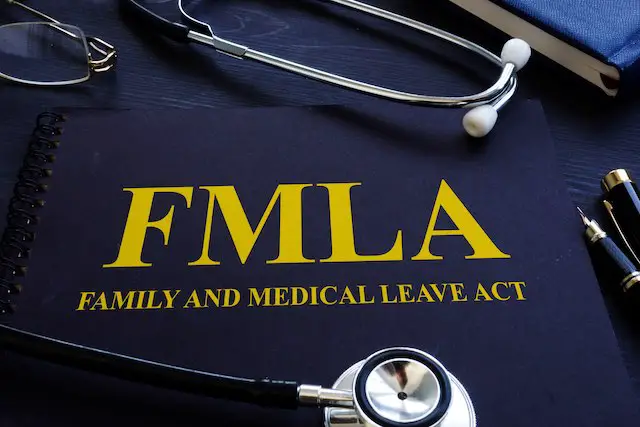
Supervisors must ensure compliance with FMLA law while also preventing leave abuse by employees. These are some tips to help navigate the process.

Avoiding collusion between witnesses in a hearing is important. Here are suggestions for preparing a case.

The author describes a seven part standard for analyzing the discipline or discharge of an employee which can help with upholding these types of decisions.
The author says that having an effective opening statement is one of the keys to prevailing at an arbitration hearing. He provides some tips for preparing and presenting a strong opening statement.
The author says that one of the most time consuming and frustrating tasks for supervisors is dealing with the small number of employees who abuse leave.

The author says that it is a well established fact that managers have the right to establish standards for requiring employee attendance at work. He notes, however, that failure to enforce attendance requirements can result in further attendance problems and lower morale among employees. He says that supervisors should never be afraid to initiate the appropriate action when warranted and cites some cases as precedent for enforcing consistent attendance in the federal workplace.

The author says that to many employees, the concept of discipline usually conjures up a very negative impression as being punitive. However, he says that if applied effectively, discipline is designed to modify behavior or performance and should always be the first and foremost goal of supervisors and management.
The author discusses the case of an employee who could lose her job through no fault of her own due to a mistake made by her agency’s human resources department. He describes the latest details of the case and what he believes to be the broader implications of the situation for federal employment.