This “Drive-By” Planning Will Cost Retired Federal Employees Thousands

Retirement success hinges on smart tax planning and withdrawal strategies; small mistakes and “rules of thumb” can cost federal retirees significantly over time.

Stay informed on tax rules and implications affecting federal employees and retirees, including guidance on taxes for FERS and CSRS annuities, Social Security taxation, TSP withdrawals, and retirement income planning. Explore updates on IRS regulations, withholding rules, state tax considerations, and policy changes that influence how federal retirement benefits are taxed. Find clear explanations and practical insights to help federal employees understand how different income sources are treated and how tax changes may impact their financial planning.
Retirement success hinges on smart tax planning and withdrawal strategies; small mistakes and “rules of thumb” can cost federal retirees significantly over time.
The IRS Interactive Tax Assistant helps federal employees answer common tax questions quickly with guided interviews but it has some known limitations.

Asset location in retirement is key. Where federal employees keep savings—tax-deferred, Roth, or taxable—can greatly impact taxes and flexibility later.

Federal widows with FERS and Social Security benefit most from small, strategic Roth conversions to avoid IRMAA and balance lifetime taxes.
Working after federal retirement boosts income and purpose but can impact FERS, Social Security, Medicare premiums, and future tax obligations.
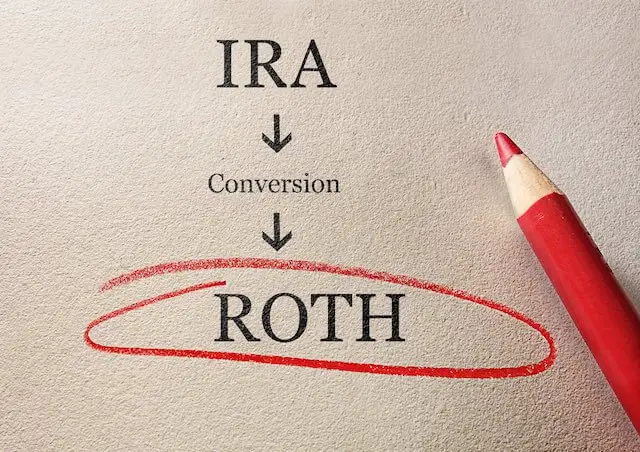
Partial Roth conversions let you move IRA, 401(k), or TSP assets gradually, managing taxes, reducing RMDs, and building tax-free retirement income.
Federal employees will find that most of their retirement income is subject to taxes. Planning ahead helps reduce tax surprises in retirement.

Federal employees: Don’t assume last year’s tax approach works in 2025—higher SALT caps mean itemizing could finally beat the standard deduction.

The 2025 Social Security Fairness Act removed WEP and GPO, boosting CSRS retirees’ benefits and income, but also created new tax and Medicare implications.
Strategically utilizing Roth conversions is a way that federal employees can reduce their tax burden in retirement.