Dodging the RMD Tax Trap: A Federal Employee’s Guide to Smarter Withdrawals

RMDs require retirees to withdraw from pre-tax accounts, risking higher taxes. These are some tips for federal employees to avoid future tax burdens.

Navigate the complexities of Roth accounts within the federal retirement system. This section provides expert insights into the Roth TSP, Roth IRA conversions, and tax-planning strategies tailored for the federal workforce. Learn how to leverage tax-free growth to hedge against future tax hikes, understand the nuances of TSP to Roth IRA transfers, and determine if a Roth conversion makes sense for your FERS or CSRS retirement strategy. Stay updated on contribution limits and the five-year rule to ensure your retirement income remains tax-efficient.
RMDs require retirees to withdraw from pre-tax accounts, risking higher taxes. These are some tips for federal employees to avoid future tax burdens.
If you plan to leave retirement assets to charity, Roth conversions may cost you more in taxes. Learn smarter strategies for charitable federal employees.
Retirement success hinges on smart tax planning and withdrawal strategies; small mistakes and “rules of thumb” can cost federal retirees significantly over time.

Federal widows with FERS and Social Security benefit most from small, strategic Roth conversions to avoid IRMAA and balance lifetime taxes.
Paying Medicare’s IRMAA fees briefly can cut lifetime taxes for FERS retirees.
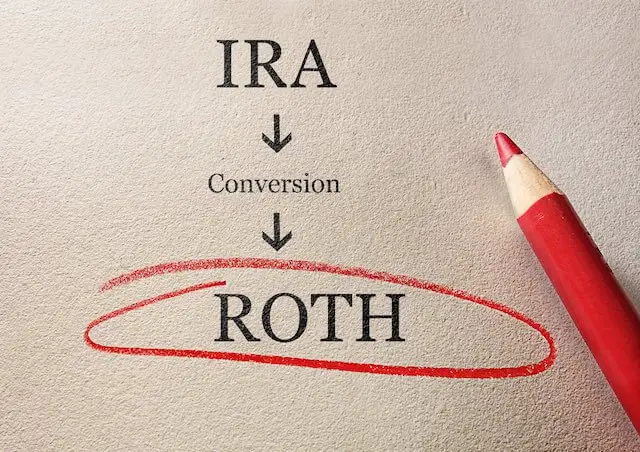
Partial Roth conversions let you move IRA, 401(k), or TSP assets gradually, managing taxes, reducing RMDs, and building tax-free retirement income.
Strategically utilizing Roth conversions is a way that federal employees can reduce their tax burden in retirement.

TSP catch-up contributions must now be Roth in some cases, and this may be a good thing.

Safe retirement withdrawal rates depend on the account type, as tax drag reduces sustainability for taxable and traditional IRA accounts.

Roth in-plan conversions launch in the TSP today, bringing federal employees an important and long-awaited feature to help with retirement planning.