

Federal employees, especially those in higher grades, often expect their pay to reflect their years of experience and the responsibilities they shoulder. Yet many find that their paychecks remain frustratingly similar to those of colleagues in lower grades.
This phenomenon, known as federal pay compression, has become increasingly common in recent years. It’s a challenge not just for the employees feeling squeezed by these constraints, but also for government agencies that need to attract and keep top talent. As federal workers look ahead to retirement, proper planning becomes even more vital.
What Is Federal Pay Compression?
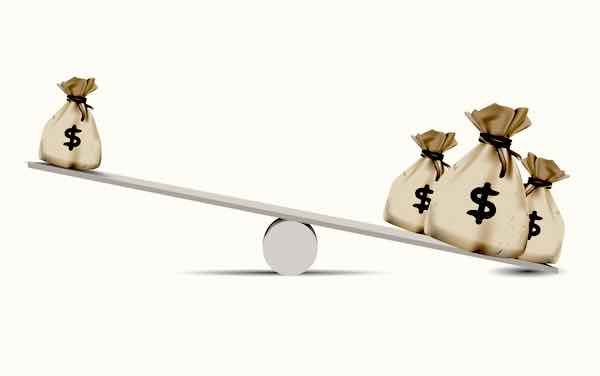
The term “federal pay compression” refers to a narrowing pay gap between employees at different GS (General Schedule) grade levels. In an ideal scenario, an experienced GS-15 employee—managing large teams or budgets—would be compensated well above those in lower grades. However, various statutory rules limit how high GS pay can climb. In high-cost areas, salaries for GS-15 and even GS-14 employees can hit the same cap, ultimately tightening the pay gap between them and more junior staff.
It’s important to note that while private-sector pay compression typically arises from market forces or internal policies, the federal version is shaped by legally imposed pay caps. According to government pay experts, these caps can lead to “salary stasis” for senior employees in many metropolitan areas. In other words, even if a higher-level employee receives a performance-based step increase or a cost-of-living adjustment, their actual take-home pay may remain stuck if they’ve hit the statutory limit.
Key Causes of Federal Pay Compression
Statutory pay caps are the central driving force. Above a certain threshold—known as Executive Schedule Level IV—GS salaries stop increasing, even if step raises or locality adjustments would normally push them higher.
This cap changes over time, but it still constrains many employees at the GS-15 level (and sometimes GS-14) in high-cost locality pay areas. For instance, data from the Federal Salary Council has shown that top-step GS-15 employees in areas such as San Francisco, Washington, DC, or Seattle easily bump against the cap.
Compounding this issue are annual pay raises and cost-of-living adjustments (COLAs). These across-the-board increases can push lower-grade employees’ pay upward, closing the gap. Meanwhile, the senior employee at the highest pay grade may see no meaningful raise if their salary is already capped.
Market forces also play a role. When agencies offer competitive entry wages to attract specialized talent—often in technology or scientific fields—they can inadvertently bring new hires’ pay closer to those of long-tenured employees.
Effects of Federal Pay Compression
For senior employees who feel that their compensation no longer reflects their high-level responsibilities, morale can suffer. Disillusionment might cause them to consider an earlier retirement, taking invaluable institutional knowledge with them.
Meanwhile, potential applicants to crucial leadership roles could look elsewhere if they see no distinction in compensation. This shortfall has been underscored by representatives from employee unions and noted by the Office of Personnel Management (OPM), who warn that agencies may lose their competitive edge compared to the private sector.
In some instances, wage inversion can occur, where a subordinate ends up making nearly as much or more than the person supervising them. While this doesn’t automatically break any laws, it can generate tension and a sense of unfairness across teams. Over time, this dynamic can also feed into broader pay equity concerns.
Illustrating the Pay Cap: A Quick Look at GS-13 to GS-15
Examining the interplay of base pay, locality adjustments, and the statutory pay ceiling helps explain why compression can be so pervasive in some regions.
Below is a sample table that highlights how these factors converge. Exact figures vary each year and by location, but the pattern remains consistent: once an employee’s total pay hits the legally mandated maximum, raises cease.
| GS Level | Base Pay Range | Avg. Locality Adjustment | Typical Pay Ceiling |
| GS-13 | $88,520 – $115,079* | ~25% | $145,000 – $155,000* |
| GS-14 | $104,604 – $135,987* | ~28% | $165,000 – $175,000* |
| GS-15 | $123,041 – $159,950* | ~30% | $183,500 – $191,900** |
From this table, it’s clear how annual adjustments and higher locality pay can push lower-grade salaries closer to or even above an effectively capped GS-15 salary in many regions. This pattern has been noted in places like the San Jose-San Francisco locality pay area, where many steps of the GS-15 pay scale see no significant increase beyond the top limit.
Solutions and Strategies to Address Federal Pay Compression
There are several short- and long-term tactics that both agencies and employees can employ. While systemic reform is the ultimate answer, these interim measures can mitigate some frontline effects:
Short-Term Measures often include thorough pay equity analyses. Agencies that regularly audit compensation structures can pinpoint areas where compression is most severe. Some departments look for creative ways to offer merit-based raises or off-cycle adjustments for stellar performers, though the statutory cap remains a limiting factor. Additionally, ensuring open and transparent communication about how pay is set can help employees feel more respected, even if they’re impacted by constraints beyond an agency’s control.
Long-Term Approaches revolve around modernizing the GS pay system itself. Many experts propose revising or removing current caps, a change requiring legislative action. Budgeting for systematic equity adjustments can also preserve the intended pay differentials across GS grades. Another strategic move is fostering internal mobility and career development, so employees have more opportunities to move into less-capped positions or earn high-value credentials that justify advanced pay categories.
Implications for Retirement Planning
Because FERS pensions are calculated using an employee’s “high-3” average basic pay, capping salary growth can directly lower retirement income. Senior employees often plan to have a few peak-earning years to boost their pension, but compression places a hard ceiling on how high those peak earnings can go. Delaying retirement might help in some cases if cost-of-living increases eventually raise the cap. However, there’s no guarantee that Congress will pass legislation removing or significantly raising these limits.
Attend a FERS Webinar to learn more about your Federal Retirement Benefits!